$0/bill
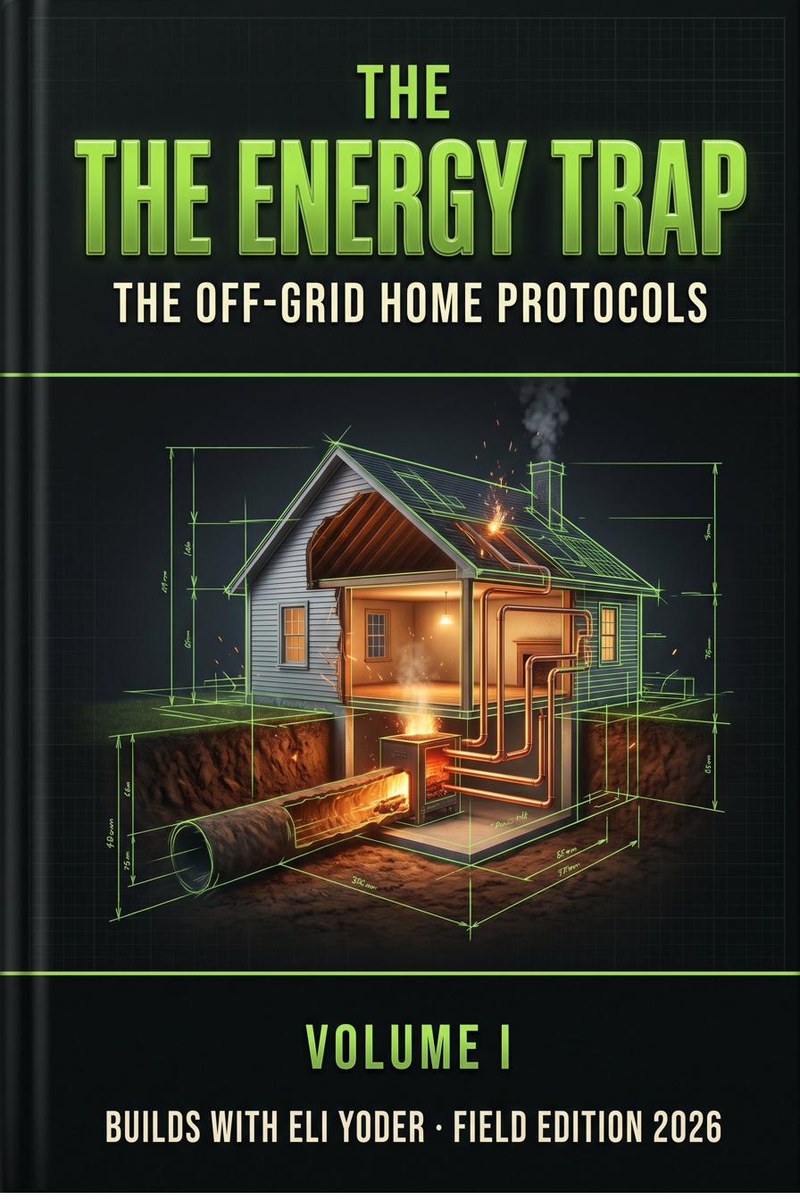
The Energy Trap
The off-grid home protocols — heating & energy foundation
$47
$27
Save $20 Today
- The off-grid home protocols — heating & energy foundation
- Earth tunnels, ground loops & $0 heating systems explained
- Real builds, real numbers, real materials you can buy anywhere
- Works for any single-family home in any climate zone
- The foundation volume — best first step for new readers
7-day money-back guarantee
🔒 Secure
·
Visa
·
Mastercard
·
PayPal
·
Klarna
·
Apple Pay
9methods
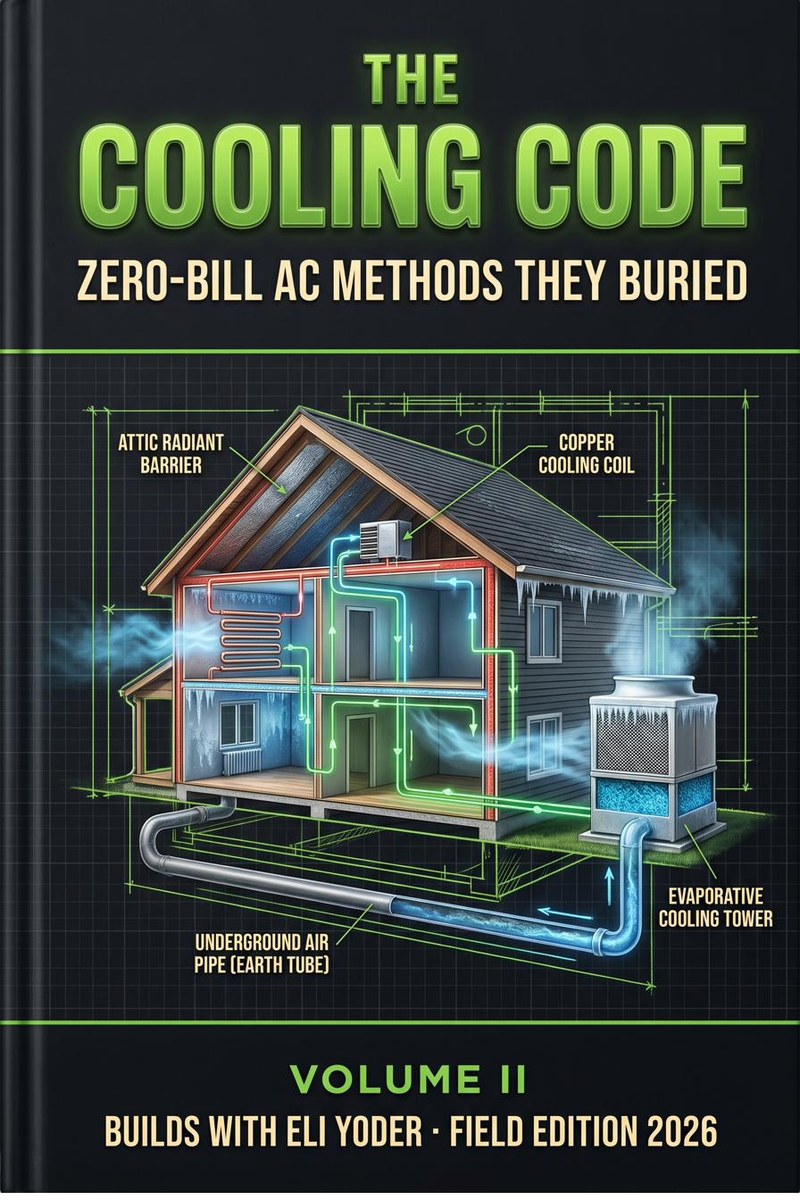
The Cooling Code
Zero-bill cooling methods the comfort industry replaced
$77
$47
Save $30 Today
- 9 passive cooling systems — attic radiant barrier, earth tube, solar chimney
- Evaporative cooling towers & thermal mass storage
- Honest climate-by-climate results — know what works where you live
- Full build instructions with materials and realistic numbers
- The 30-day cooling plan + regional playbooks
7-day money-back guarantee
🔒 Secure
·
Visa
·
Mastercard
·
PayPal
·
Klarna
·
Apple Pay
Save$133
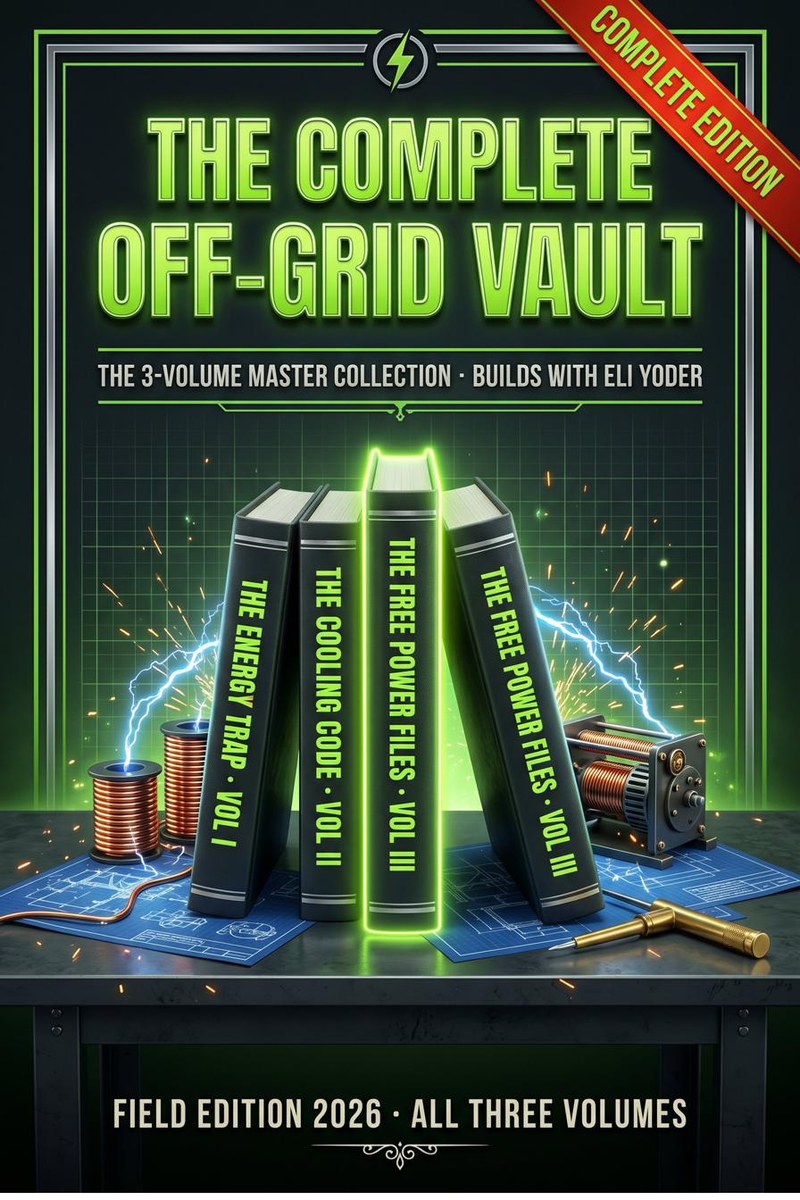
The Complete Off-Grid Vault
Vol I (Energy) + Vol II (Cooling) + Exclusive Vol III (Free Power)
I
Energy
+
II
Cooling
+
III
Power
EXCLUSIVE
$230
$97
Save $133 — Limited Time
✦ Bundle-Exclusive Bonuses ✦
Bonus 1
Volume III — The Free Power Files (off-grid electricity)
$67 value
Bonus 2
Generation + storage methods: solar, hydro, wind, thermoelectric
$29 value
Bonus 3
The truth about which "free energy" devices are real vs. frauds
$19 value
- Volume I + Volume II — the complete heating & cooling library
- Volume III — The Free Power Files, sold ONLY in this bundle
- Every method to heat, cool, AND power your home off-grid
- Honest numbers, real builds, and the myths named plainly
7-day money-back guarantee · Instant access
🔒 Secure
·
Visa
·
Mastercard
·
PayPal
·
Klarna
·
Apple Pay